While the hook is critical to a great blurb, the body of the blurb deserves equal attention. Consider it’s effectiveness as a whole as well as it’s individual parts.
Word Choice Matters
Choosing the right words can make all the different in a blurb. Be certain to make sure your word choice communicates the tone of the story by using words that fit the genre and situation. A dark thriller will use more intense wording while a rom-com will use light, fun words.
Word choice should also match the time period and regional setting. If you’re writing historical fiction that should be apparent within a few sentences through carefully selected words and phrases. Maintain regional accuracy without overloading the blurb with slang or colloquialisms.
It’s also all right to use hyperbole when appropriate, such as “unimaginable” for a shocking crime or “intoxicating” for a sudden and passionate romance, but don’t overdo it. Stuffing the blurb with hyperbole will exhaust the reader.
Avoid clichés, superfluous words, description, unnecessary adverbs, and “chatter” as much as possible. The blurb should be too the point and directly communicate the basics of the story to the reader.
Be Concise
Blurbs should run 100-150 words in most cases. Blurbs placed on the back cover of a book may be longer depending on space available during formatting. Blurbs for online retailers should be on the shorter end of the range since people browsing often skim.
Don’t try to tell the reader everything you think might interest them in a blurb. Stick to the important highlights and leave backstory, secondary characters, subplots, and similar information to be discovered when reading the full book.
It may be helpful to start writing a blurb with bullet points to sift out what should and shouldn’t be mentioned. Expand on the bullet points with 1-2 sentences about each point.
Utilizing Cliffhangers
This isn’t a must in a hook, but for many stories a cliffhanger ending in a blurb will be a good nudge for readers toward purchasing.
Cliffhangers can also help you avoid giving away too much in a blurb. Cliffhangers focus on the main conflict the characters face but only hint at a possible resolution. It’s important to present the problem and leave readers wondering how the character will overcome it.
The answer to how the story will resolve shouldn’t be too obvious.
Even with books that are more formulaic, it’s important to make the reader curious about how this particular story will unfold. While most romances end in a happily-ever-after scenario, they don’t (or shouldn’t) all reach it the same way. Hint at the uniqueness and leave it at that.
Formatting the Blurb
Once you’ve finished crafting the blurb, the work isn’t quite done. It’s important to format blurbs according to genre conventions. Each main genre has it’s own nuances when it comes to formatting. Fore example:
Contemporary romance tends to use short, 1-2 sentence paragraphs that highlight main points of the storyline.
Historical romance tends to use longer paragraphs with a more in-depth summary of each point of interest.
Study blurbs on Amazon in your genre to make sure you’re formatting correctly. Of course, sometimes you need to break out of conventions to highlight a unique aspect of your story, but make sure there’s a reason for using a unique format and that it conveys the tone or action of the story.
 Lunging for Ketchup, I drag him down to the wheel wells and throw my body on top of him. Bullets continue to slam into the car, jerking it back and forth as I bite back a terrified scream. Heat sears across my shoulder, and at least one bullet is lodged in my left thigh. It’s only seconds, maybe five, but it feels like a lifetime before the report of gunfire stops and squealing tires replaces it.
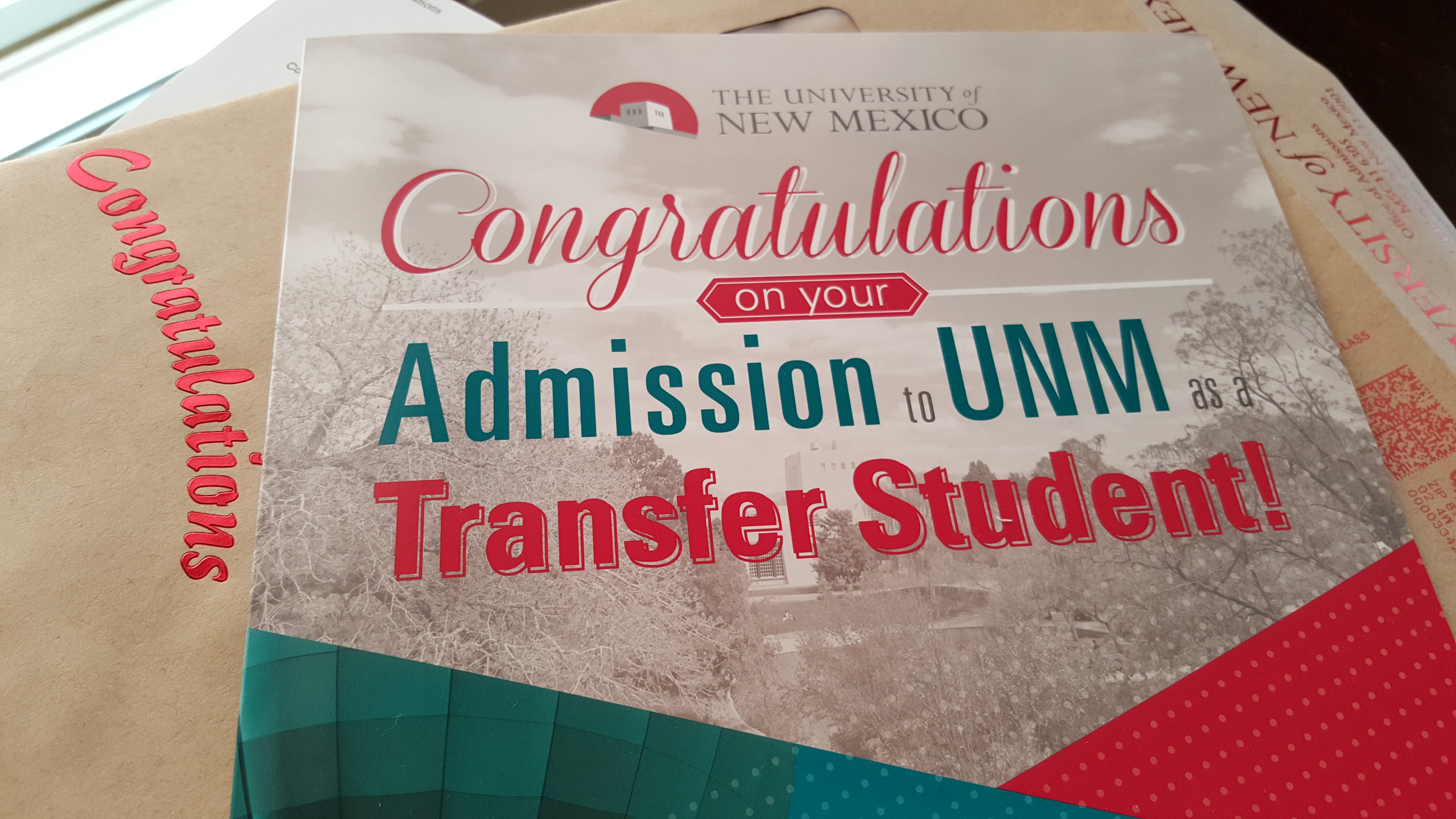 Originally, I intended to get my bachelor’s degree in English, but there were some issues with that plan and now I’m working on a degree in Communication-Media Studies with a minor in English. Getting my degree will allow me to teach more classes at our local community college, so here I go!
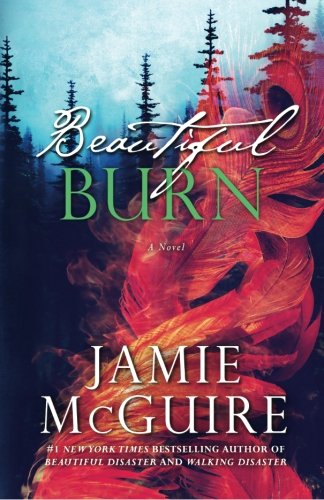 Sometimes, reading is like this for me. It’s not always easy to turn off the writer part of my brain and just read to enjoy. All my writing pet peeves poke at me while I read, and make the experience less fun. Then I have to remind myself that some other writer is reading my books having the same thoughts!
 I’ve also been reading JM Barrie’s “Peter Pan” (the original book) which, let me tell you, is far removed from the Disney version, or any other version I’ve ever seen. It’s bizarre and really not something a kid would understand or probably be interested by. I have a pretty good vocabulary and love British fiction, but I’m still looking up words and trying to figure out what Barrie is trying to get at half the time.


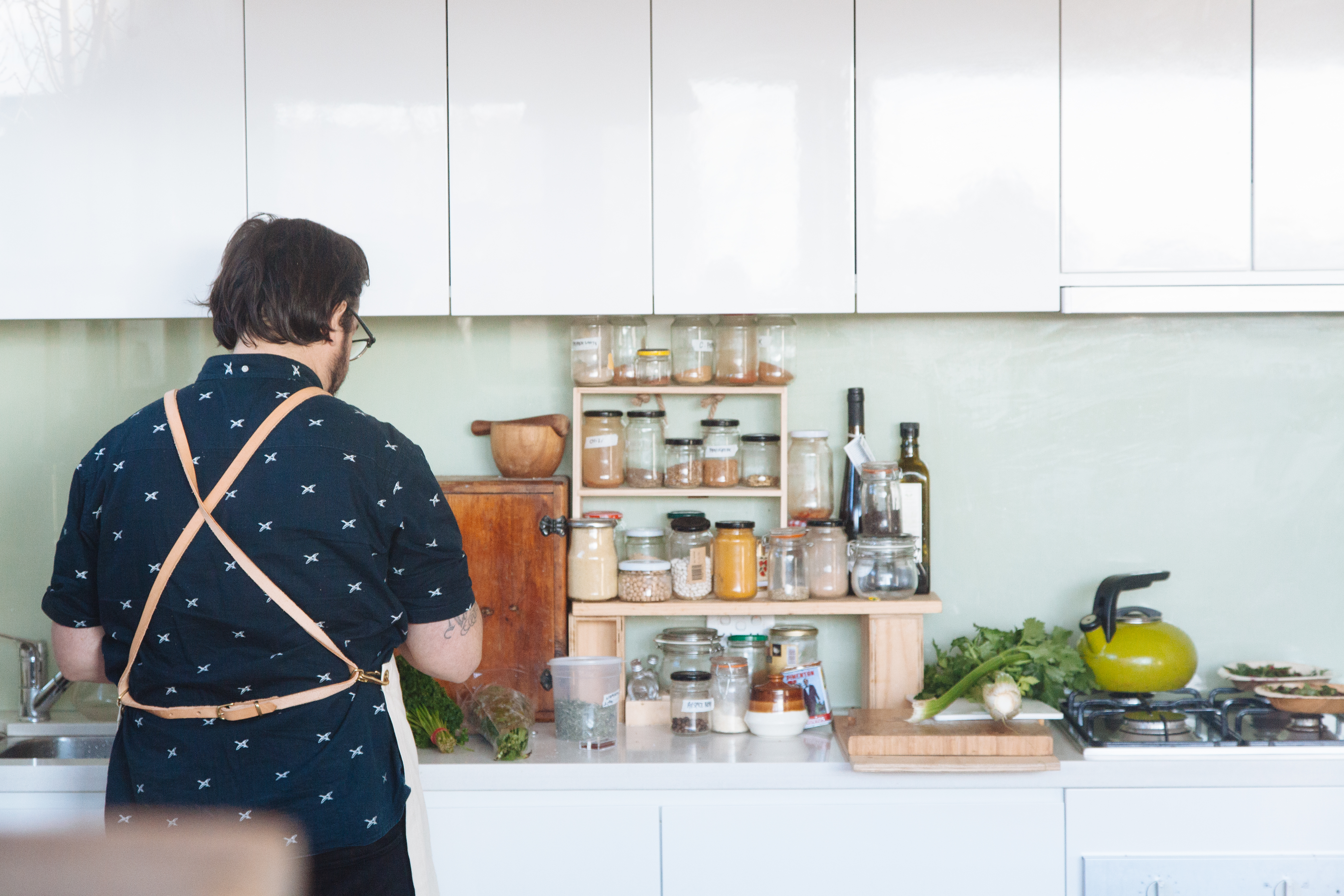 Maybe this only happens in my house, but unlike the picture above with nicely closed cabinet doors, I can walk into a room and, no kidding, there is almost always at least one drawer, cupboard door, or package of something or other left open. Usually, more than one. There have been times when I’ve walked into the kitchen and literally every cupboard door is standing open because someone was looking for something and, after finding it, walked away.
 Just like when my kids (my daughter specifically) stomps away, annoyed I haven’t purchased sufficient snack-worthy foods, your readers will walk away when they finish a book unsatisfied because of questions you never answered if your book leaves them with option #1.
 2: Fill in where you neglected to follow through. Any questions you posed that pertain to that particular book (notice I’m not talking series-length questions) make sure you have an answer, or make it apparent that question will be answered in a subsequent book, if you’re working on a series.
 So, about 7 years ago, I started looking for an agent or publisher. I had two finished manuscripts I was ready to send out. I also had a toddler and a kindergartener and a very supportive husband. What else did I have going for me that would entice and agent or publisher to pick me up?

 There have been some health issues in our family, we’ve had a huge shift in our spiritual and religious beliefs-which has affected a lot, and I managed to seriously over schedule myself when it came to my writing and teaching schedule. Add in track and soccer, taxes, regular every day family, house, and work stuff, and a few panic attacks thrown in there, and yeah… I feel like we’ve been running since January and haven’t really had a chance to breathe until recently.
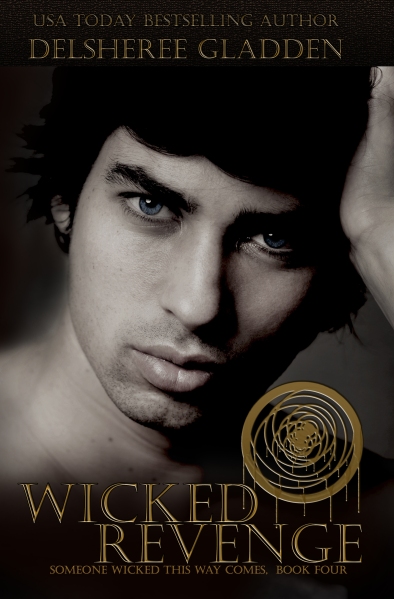
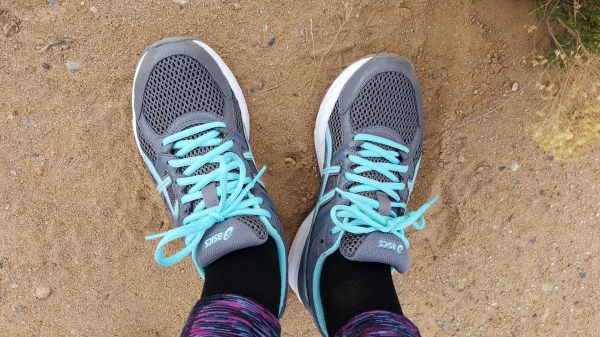 I’m still writing, which is a huge stress reliever for me. Running keeps me grounded as well-not to mention keeps my back and shoulders from killing me. Writing-wise, I’m working on finishing Wicked Revenge. Personally, I’m looking forward to spending the summer camping and working in the yard with my family as soon as the always volatile spring weather of New Mexico figures its crap out and decides to warm up.


 USA Today Bestselling Author DelSheree Gladden